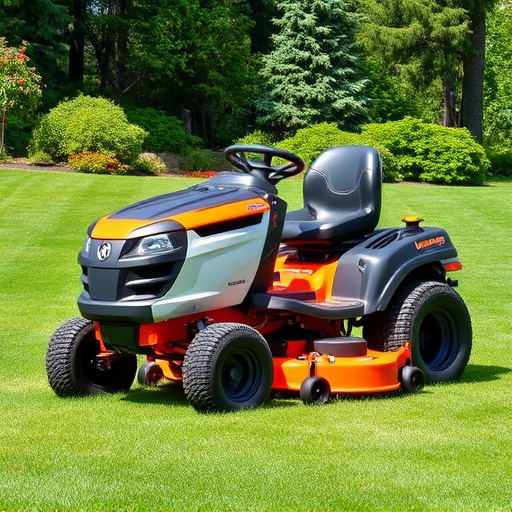
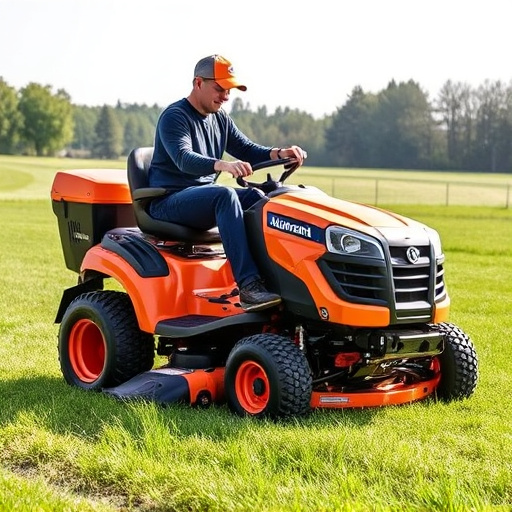
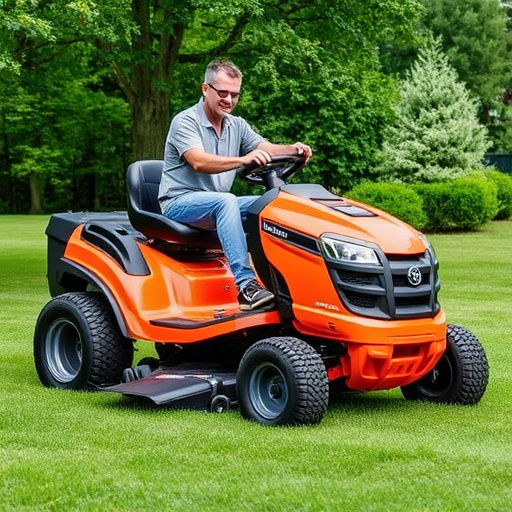
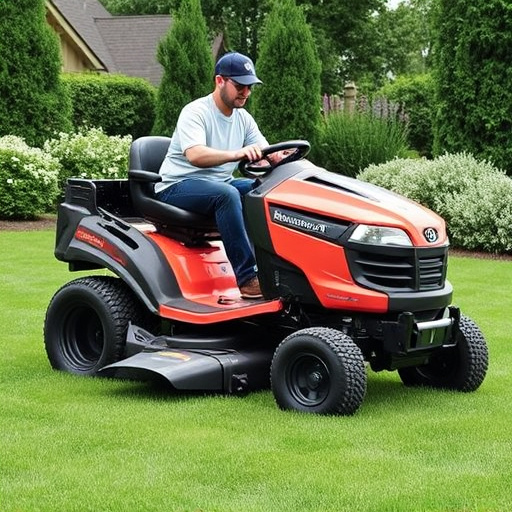
Husqvarna Lawn Mower Ride On: A Comprehensive Analysis
Introduction
In the realm of lawn care, the Husqvarna brand has long been synonymous with innovation and quality. Among its diverse range of products, the Husqvarna Lawn Mower Ride On (also known as a ride-on mower or lawn tractor) stands out as a testament to the company’s engineering prowess and dedication to enhancing outdoor living spaces. This comprehensive article delves into every aspect of these powerful machines, exploring their historical development, global impact, technological advancements, and their role in shaping the future of lawn care. By the end, readers will gain an in-depth understanding of why Husqvarna ride-on mowers are not just a tool but a revolution in yard maintenance.
Understanding Husqvarna Lawn Mower Ride On: A Historical Perspective
The concept of a ride-on lawn mower can be traced back to the early 20th century when mechanization began transforming agriculture and landscaping. The first known ride-on lawn mower was patented in 1932 by an American inventor, Charles H. Mooney. However, it was Husqvarna, a Swedish company with a rich history in forestry and outdoor power equipment, that truly revolutionized the ride-on mower market.
In the 1950s, Husqvarna introduced its first series of ride-on mowers, designed to meet the growing demand for efficient lawn care solutions. These early models were simple yet effective, featuring a seat for the operator and a cutting deck powered by a gasoline engine. Over time, Husqvarna’s ride-on mowers evolved, incorporating advancements in design, safety features, and performance.
Core Components:
Cutting Deck: The primary functional component, responsible for mowing grass, available in various types like reel, cylinder, or disc blades.
Engine: Typically a gasoline-powered engine, providing the power to drive the mower and the cutting deck. Electric models are also available for quieter operation and reduced emissions.
Transmission System: Enables the operator to control the speed and direction of the mower, ranging from simple manual controls to advanced hydrostatic or continuous variable (CVT) systems.
Seat and Controls: Ergonomic design ensuring comfort during prolonged use, with controls for steering, speed, and cutting deck functions.
Safety Features: Modern models incorporate features like safety bars, emergency stop levers, and roll-over protection systems to ensure operator safety.
Global Impact and Trends
Husqvarna ride-on mowers have left an indelible mark on the global lawn care industry. Their presence is felt across various regions, with particular popularity in North America, Europe, and Asia-Pacific. The adoption of these mowers is influenced by factors such as:
Urbanization: As cities expand, so does the demand for efficient lawn care solutions to maintain urban green spaces and residential yards.
Lifestyle Changes: Modern lifestyles often leave homeowners with less time for manual yard work, making ride-on mowers an attractive option for quick and efficient grass cutting.
Environmental Awareness: Electric ride-on mowers are gaining traction due to their reduced carbon footprint and quieter operation, aligning with global sustainability goals.
Regional Trends:
Region
Key Trends
North America
Growing preference for larger, well-maintained lawns, leading to increased demand for powerful ride-on mowers.
Europe
Emphasis on energy efficiency and environmental compliance, driving the adoption of electric and hybrid models.
Asia-Pacific
Rapid urbanization coupled with a rising middle class, resulting in a boom in residential property development and lawn care services.
Economic Considerations: Market Dynamics and Investment
The Husqvarna ride-on mower market is a significant contributor to the global outdoor power equipment industry, valued at USD 5.2 billion in 2021 (Source: Grand View Research). This market is expected to grow at a CAGR of 4.5% from 2022 to 2030, driven by various economic factors:
Increasing Real Estate Values: Rising property values encourage homeowners to invest in maintaining their outdoor spaces, boosting mower sales.
Disposable Income Growth: Higher disposable incomes lead to more discretionary spending on home improvement and lawn care equipment.
Technological Upgrades: Advancements in mower technology offer improved performance, comfort, and efficiency, enticing consumers to upgrade.
Investment Patterns:
Manufacturers: Major players like Husqvarna invest heavily in research and development to introduce innovative products, ensuring market leadership.
Retailers: Home improvement and outdoor equipment retailers stock a diverse range of ride-on mowers, providing customers with various options.
Aftermarket Services: The growing demand for maintenance and repair services for these machines presents a lucrative opportunity for specialized businesses.
Husqvarna has consistently pushed the boundaries of technology in its ride-on mowers, ensuring they remain at the forefront of the industry. Some significant technological advancements include:
Hydrostatic Transmission: This advanced transmission system offers seamless speed control and excellent maneuverability, enhancing operator comfort and mower performance.
CVT (Continuous Variable Transmission): CVT technology provides infinite gear ratios, allowing for smooth acceleration and precise control at all speeds.
Smart Connect Technology: Husqvarna’s Smart Connect enables remote monitoring and control of mowers via a smartphone app, offering convenience and fleet management capabilities.
Autonomous Navigation Systems: Some models incorporate GPS and sensor technology for autonomous navigation, ensuring efficient mowing patterns without operator intervention.
Electric and Hybrid Power: The introduction of electric and hybrid ride-on mowers addresses environmental concerns, reduces noise pollution, and offers lower operating costs.
Policy and Regulation: Navigating Legal Requirements
The development and operation of Husqvarna ride-on mowers are subject to various policies and regulations worldwide, ensuring safety, environmental protection, and product quality. Key considerations include:
Emission Standards: Strict emission norms vary across regions, dictating the maximum allowable emissions levels for gasoline and electric engines.
Safety Regulations: Governments enforce safety standards for ride-on mowers, covering design, construction, and operator protective equipment.
Product Registration and Tracking: Many countries require manufacturers to register their products, enabling tracking and recall systems for consumer safety.
Warranty and Service Requirements: Policies mandating minimum warranty periods and service regulations ensure consumer protection and prompt maintenance.
Challenges and Criticisms: Overcoming Obstacles
Despite its numerous advantages, the Husqvarna ride-on mower ecosystem faces several challenges and criticisms:
Initial Cost: These mowers are often expensive, making them less accessible to budget-conscious consumers. However, long-term cost savings through reduced labor and lower fuel/electricity bills can offset this initial investment.
Environmental Concerns: Gasoline-powered models contribute to air pollution, prompting criticism from environmental groups. Electric and hybrid alternatives offer a more sustainable solution but face challenges related to charging infrastructure.
Noise Pollution: Traditional ride-on mowers can be noisy, causing disturbances in residential areas. This issue is being addressed through the development of quieter electric and hybrid models.
Safety Concerns: Despite advanced safety features, accidents can occur. Manufacturers must continue to innovate to minimize risks, and consumers should prioritize safety when operating these machines.
Proposed Solutions:
Offer incentives and subsidies for purchasing eco-friendly electric and hybrid mowers.
Invest in developing efficient charging infrastructure for electric models.
Collaborate with local communities to establish noise pollution standards and promote quiet technology adoption.
Enhance safety features and provide comprehensive training programs for operators.
Case Studies: Real-World Success Stories
Case Study 1: Urban Lawn Care Revolution – New York City
New York City, known for its bustling streets and skyscrapers, presents unique challenges for lawn care. Husqvarna ride-on mowers have played a pivotal role in transforming urban green spaces. The city’s Parks Department adopted Husqvarna’s electric ride-on mowers to maintain the city’s vast network of parks and public gardens.
Success Factors:
Environmental Benefits: Electric mowers significantly reduced carbon emissions, aligning with the city’s sustainability goals.
Quiet Operation: The quiet engines minimized noise pollution, enhancing the overall visitor experience in urban green spaces.
Cost Efficiency: Lower fuel and maintenance costs offset the initial investment, making electric mowers a cost-effective solution.
Case Study 2: Large-Scale Commercial Lawn Care – Theme Parks
The vibrant hues and meticulously maintained landscapes of theme parks are a testament to the versatility of Husqvarna ride-on mowers. Disney World, Universal Studios, and Six Flags all rely on these powerful machines to maintain their expansive outdoor spaces.
Key Takeaways:
Efficiency in Large Areas: Ride-on mowers efficiently cut vast expanses of grass, ensuring a consistent and professional finish.
Versatility: These mowers can handle various terrain types, from hilly slopes to intricate garden areas, making them suitable for diverse park landscapes.
Reliability: The robust construction and advanced engineering ensure these mowers withstand the rigors of daily use in high-traffic environments.
Future Prospects: Shaping Tomorrow’s Lawn Care
The Husqvarna ride-on mower market is poised for significant growth, driven by emerging trends and technological advancements:
Sustainable Solutions: The demand for eco-friendly options will continue to rise, prompting further development of electric and hybrid models with improved performance.
Autonomous Mowing: Advances in artificial intelligence and robotics will lead to fully autonomous ride-on mowers, offering a hands-free lawn care experience.
Smart Home Integration: Husqvarna’s Smart Connect technology will evolve, allowing mowers to integrate seamlessly with smart home systems for automated lawn care.
Personalized Lawn Care: Customizable mowing patterns and settings will cater to individual preferences, ensuring optimal grass health.
Conclusion: Powering Forward with Husqvarna Ride On
The Husqvarna Lawn Mower Ride On has come a long way since its inception, evolving from a simple solution for grass cutting to a sophisticated piece of machinery that enhances outdoor living. Its global impact is undeniable, with millions of homeowners and professionals relying on these mowers to maintain lush, well-cared-for lawns.
As the world navigates the challenges of urbanization, sustainability, and efficient resource management, Husqvarna ride-on mowers stand as a testament to human ingenuity and our commitment to enhancing our surroundings. With continuous technological advancements and a focus on environmental stewardship, these machines will continue to shape the future of lawn care for years to come.
FAQ Section: Addressing Common Concerns
Q: Are Husqvarna ride-on mowers easy to operate?
A: Yes, Husqvarna designs its ride-on mowers with operator comfort and safety in mind. Modern models feature intuitive controls and ergonomic seats, making them relatively easy for most users to operate.
Q: How do I choose the right Husqvarna ride-on mower for my yard?
A: Selection depends on various factors, including your yard size, terrain, budget, and desired features. Husqvarna provides a comprehensive product range, allowing you to match your specific needs with the ideal mower model.
Q: Can I convert a gasoline-powered Husqvarna mower to electric?
A: While possible in some cases, it is not a straightforward process. Modifications may require specialized knowledge and equipment, and Husqvarna does not officially offer conversion kits. It’s best to consider an electric model for environmental and operational advantages.
Q: How often should I service my Husqvarna ride-on mower?
A: Regular maintenance is crucial for optimal performance and longevity. Follow the manufacturer’s recommended service schedule, typically involving oil changes, blade sharpening, and thorough inspections at specific intervals or after certain hours of use.
Q: Are Husqvarna mowers suitable for commercial applications?
A: Absolutely! Husqvarna ride-on mowers are renowned for their durability and performance, making them ideal for commercial lawn care, including parks, golf courses, and large residential properties.
The Husqvarna Power N Play ride-on mowers revolutionize lawn care with advanced technology, offering fast and efficient yard maintenance for all terrain sizes. These mowers provide precise cuts, reduced physical strain, and increased safety feat…….
Husqvarna's Power N Play method personalizes lawn care based on grass type, slope, and size, promoting a balanced ecosystem with regular feeding, ideal cutting heights, and hydration. This approach enhances aesthetics, fosters sustainabilit…….
The Husqvarna Lawn Mower Ride-On is a powerful, durable, and versatile machine designed for seamless lawn care. Its robust construction, advanced engineering, and intuitive controls offer exceptional maneuverability and control on varied terrain…….
The Husqvarna Power N Play series offers robust lawn tractors designed for both power and playfulness, seamlessly navigating diverse terrains from tight corners to rugged landscapes. With advanced features, durable construction, and intuitive co…….
The Husqvarna Lawn Mower Ride On is a powerful, heavy-duty solution for extensive lawn care on challenging landscapes. With robust engines, advanced cutting tech, and ergonomic design, it seamlessly navigates rugged terrain and dense vegetation,…….
Power N Play in Shepparton, VIC, offers Husqvarna ride-on lawn mowers for efficient and enjoyable lawn care. These innovative machines feature advanced navigation systems, intuitive controls, and powerful yet fuel-efficient engines. Choose the r…….
The Husqvarna Lawn Mower Ride On is a powerful and efficient solution for managing large, challenging lawns. Power N Play in Shepparton, VIC offers expert advice and sales on these industry-leading mowers, suitable for various property sizes and…….
The Husqvarna Lawn Mower Ride On is a durable, powerful, and versatile solution for lawn care, suitable for both residential and commercial use. Available at Power N Play in Shepparton, VIC 3630, Australia, these mowers offer various models with…….
The Husqvarna Ride-On Mower embodies the Power N Play philosophy, offering both exceptional performance and user-friendly design for diverse lawn terrains. Located in Shepparton, VIC, Australia, at 182-184 Numurkah Rd, it's supported by a d…….
Husqvarna's ride-on mowers at Power N Play revolutionize lawn care with their powerful performance and playful design, offering a comfortable, efficient experience for any size yard. Visit 182-184 Numurkah Rd, Shepparton VIC 3630, Australia…….
The Husqvarna ride-on mowers at Power N Play in Shepparton offer powerful performance and advanced technology for efficient lawn care. With various models suitable for different landscapes, these machines provide an enjoyable mowing experience,…….
The Husqvarna Lawn Mower Ride On is a powerful, versatile machine for efficient property maintenance. Since its founding in 1943, Husqvarna has pioneered lawn care innovation globally with Swedish engineering. In Australia, Power N Play in Shepp…….
Unlock efficient lawn care with Husqvarna ride-on mowers from Power N Play in Shepparton, VIC. These mowers offer powerful engines and innovative features like self-propel technology, ensuring quick, easy, and seamless yard work for large lawns……..
The Husqvarna Power N Play ride-on mower revolutionizes lawn care with its powerful engine, ergonomic design, and advanced safety features. Offering tailored solutions for diverse lawn needs, the range caters to large yards and smaller spaces al…….
Power N Play in Shepparton offers Husqvarna ride-on mowers as a solution for physically demanding lawn care. These innovative mowers enhance efficiency, comfort, and convenience, catering to residential and commercial needs with powerful perform…….
The Husqvarna Ride-On mowers are powerful and efficient solutions for large yard management, suitable for both professionals and enthusiastic gardeners. With various models offering advanced features like durability, ergonomic designs, and easy…….
The Husqvarna ride-on mower, available at Power N Play in Shepparton, VIC, is a powerful and versatile tool for efficient lawn care. With its robust engine, ergonomic design, and adaptable nature, it caters to various lawn sizes and terrains. Ea…….
The Husqvarna Lawn Mower Ride On is a powerful and precise solution for efficient lawn care, designed with Swedish engineering and technology. Ideal for vast or challenging landscapes, it offers user-friendly features like adjustable seats and s…….
The Husqvarna Power N Play ride-on mower is a top choice for lawn care enthusiasts, featuring robust engines, intuitive controls, and easy maneuverability. It efficiently tackles complex yards, offering features like precise cutting and seamless…….
Husqvarna, renowned for quality outdoor equipment, offers luxurious ride-on mowers through Power N Play. These mowers transform lawn care with ergonomic design, powerful engines, and customizable features. Located at 182-184 Numurkah Rd, Sheppar…….